TRUMP ORDERS REMOVAL OF MEXICAN AMERICAN ART AT SMITHSONIAN MUSEUM
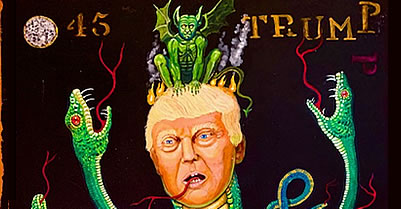
WASHINGTON, DC - The National Museum of the American Latino, a vital cultural institution dedicated to celebrating the history, arts, culture, and contributions of Latino communities in the United States, has quietly announced its closure amid controversial political decisions affecting the Smithsonian Institution's operaption under President Trump’s administration. This closure deals a significant blow to the visibility and representation of Latino artists and communities in the national cultural landscape.
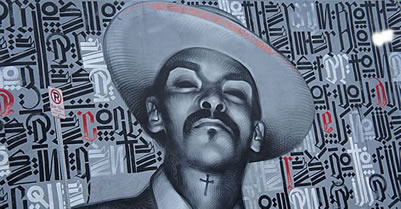
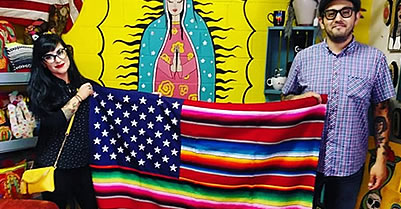
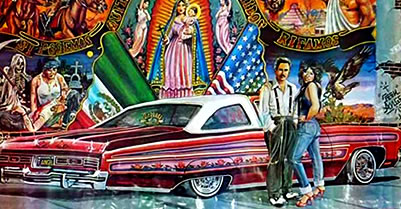
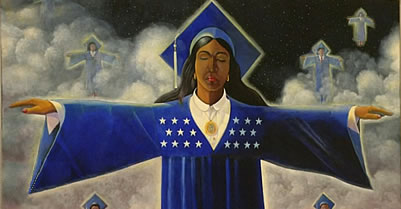
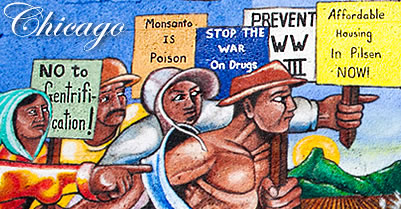
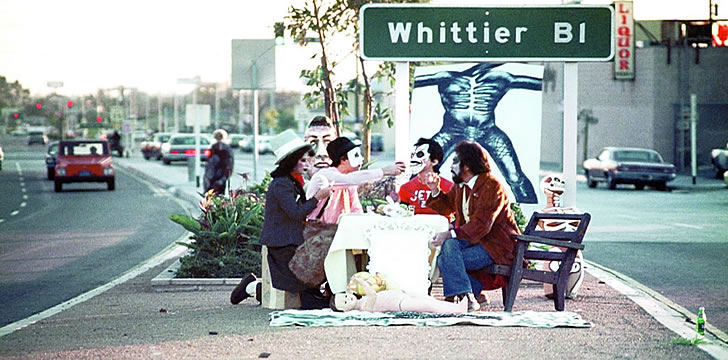
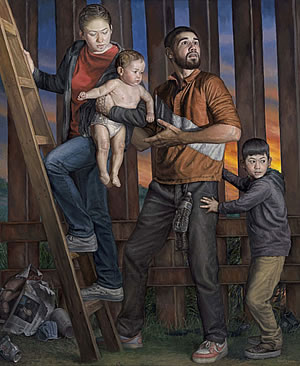
Established with the purpose of amplifying Latino voices and narratives in a cultural sphere where their presence has historically been marginal, the museum quickly became a beacon for Mexican American, Chicano, and other Latino artists. Among those directly affected are prominent figures such as painter Rigoberto A. González and photographer Kat Rodríguez, whose vibrant works once proudly adorned the museum’s galleries but have now been removed as the institution shutters its doors.
Rigoberto González, a celebrated Chicano artist and writer, has used his art to explore themes of identity, LGBTQ+ issues, and the immigrant experience, offering a powerful perspective within the Latino artistic canon. Kat Rodríguez, another influential Chicano artist, is known for her bold and evocative portrayals of Chicano cultural heritage and social justice themes. The removal of their works from public exhibition symbolizes more than just the loss of art—it represents a silencing of essential cultural dialogue.
The closure of this museum exacerbates an ongoing crisis of underrepresentation faced by U.S. Latinos in mainstream art institutions. Despite being one of the largest ethnic groups in the nation, Latino artists remain significantly underrepresented in museums, galleries, and historical narratives. This lack of institutional acknowledgment perpetuates cultural invisibility and limits the opportunity for wider audiences to engage with the rich, diverse contributions Latino communities bring to American art and society.
Politically, the decision has sparked widespread criticism from cultural advocates, artists, and community leaders who argue that dismantling such an important platform undermines decades of progress toward inclusivity in the arts. The National Museum of the American Latino was not only a memorial to the past but also a living space for contemporary Latino creativity and dialogue, offering educational programs, exhibitions, and community engagement that nurtured deeper understanding across cultural lines.
In the broader context, Latino artists often face systemic barriers ranging from limited funding and institutional bias to market invisibility, which restrict their career growth and access to broader audiences. The museum’s closure under President Trump’s directive signals a retreat from federal support for Latino cultural representation at a time when promoting diversity in the arts is as crucial as ever. As the nation grapples with its multicultural identity, the loss of the National Museum of the American Latino is a stark reminder of the ongoing struggle for equitable recognition in the arts. The voices of artists like Rigoberto González and Kat Rodríguez, alongside countless others, deserve far more than exclusion—they demand celebration and institutional respect.
The future of Latino art in America now depends significantly on grassroots initiatives, local cultural organizations, and renewed advocacy for diverse representation at all levels in the art world. Without national platforms like this museum, the challenge remains immense, but the resilience and creativity of Latino artists continue to inspire hope for a more inclusive cultural narrative ahead.