LARGE PROTESTS AGAINST ICE ARE GROWING THROUGHOUT THE UNITED STATES

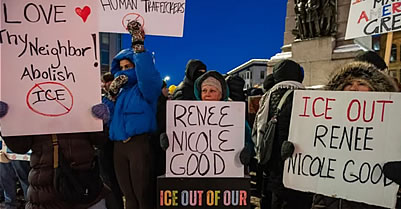
MINNEAPOLIS, MN - Subsequent to the shootings of two U.S. citizens by federal immigration agents captured on camera, anti-ICE demonstrations are growing in cities throughout the United States. Thousands of protesters have been seen marching to condemn the fatal shootings of: Renee Nicole Good, a 37 year old mother by ICE; and Alex Pretti, a 37 year old intensive care nurse at the VA by U.S. Border Patrol agents.
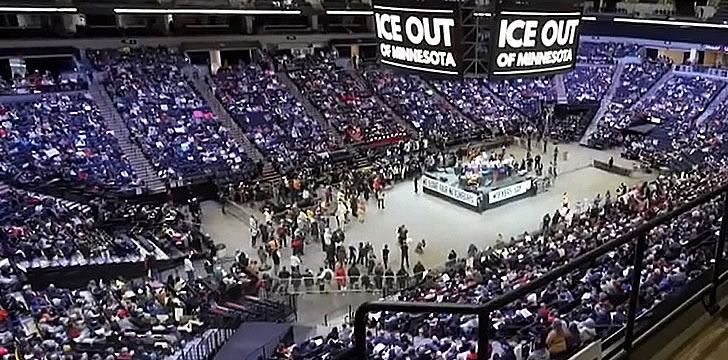
Both of these shootings happened in Minneapolis where anti-ICE protests immediately errupted. The protestors are demanding a halt to President Donald Trump’s expanded immigration crackdown which currently polling shows declining support for, even amongst his base constituents. The latest federal shooting of Alex Pretti, who was a legal gun owner with his weapon legally present at the scene, has some Republicans expressing concern as much of their support comes from NRA card holders.
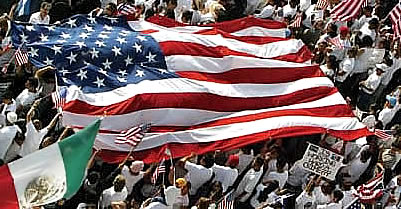
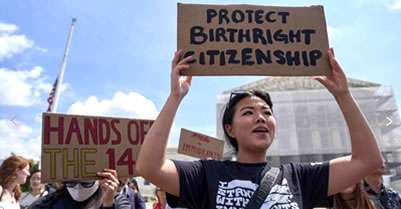
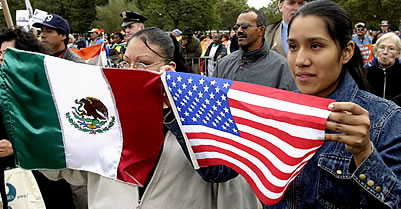
Thousands Are Seen Protesting Against Feds Throughout the U.S.
What began as local outrage in Minnesota has rapidly grown into a loose, nationwide movement targeting Immigration and Customs Enforcement (ICE), Customs and Border Protection (CBP), and the broader system of federal immigration enforcement. The current wave of protests began after Renee Nicole Good was killed by an ICE agent on January 7 during an enforcement operation where federal officials claimed she attempted to use her vehicle as a weapon. Both videos and witness accounts have raised questions of this narrative fueling more public anger since. Good's killing sparked widespread protests in Minneapolis, but also in other U.S. cities including: Chicago, Los Angeles, New York City, San Francisco, Seattle and Washington, D.C.
Nationwide, more than 1,000 local events were scheduled, ranging from candlelight vigils and courthouse rallies to airport demonstrations and marches through downtown corridors. In many cities, immigrant-rights organizations, progressive advocacy groups, labor unions, and faith communities joined forces under a common demand to end what they describe as militarized immigration enforcement and political scapegoating of migrants. With the January 24th killing of Alex Pretti by a Border Patrol agent also in Minneapolis, protesting has been further intensified. Pretti's shooting is being cited by protestors as proof that dissent against Trump’s illegal immigration policies is a deadly threat rather than a constitutional right all should be protecting to preserve. In New York City, crowds have thronged Foley Square and marched to One World Trade Center to denounce Operation Salvo, a federal initiative promising an influx of ICE agents to the region. Chicago has hosted large downtown rallies where local officials, including Mayor Brandon Johnson, have joined protesters in calling for justice for Good and Pretti and for the removal of ICE and Border Patrol from their communities. Similar marches, vigils, and sit-ins have appeared in cities such as Cincinnati, Houston, Philadelphia, and San Diego, often echoing earlier chants to “abolish ICE” while drawing direct links between the Minneapolis shootings and a broader pattern of deadly encounters involving federal agents.
As the protests continue, political leaders remain sharply divided. Minneapolis Mayor Jacob Frey has criticized both ICE tactics and those resorting to property destruction, while urging that the protests remain peaceful. President Trump, by contrast, has threatened to invoke the Insurrection Act to clamp down on demonstrations, even as Minnesota Governor Tim Walz calls on the White House to “stop the campaign of retribution” on MN residents and resist “fanning the flames of chaos.” For now, the scale of the response — tens of thousands in Minneapolis, along with thousands more nationwide - at over a thousand separate events — suggests that the deaths of Renee Nicole Good and Alex Pretti have become a national flash point in the struggle of immigration enforcement and the right of citizens to protest against it.