LOYOLA MARYMOUNT PROF. WORKS TO PRESERVE CHICANO MOVEMENT HISTORY
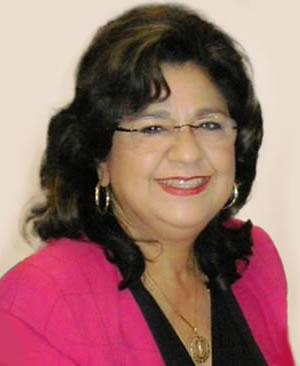
LOS ANGELES - In an ongoing effort to broaden access to the historic record of Mexican Americans and the Chicano Movement within Los Angeles of the 1960s, Marta E. Sánchez, Professor of Teaching and Learning at Loyola Marymount University (LMU), has emerged as a vital steward in this undertaking through her work to preserve and share the photographs of Raúl Ruiz, a defining figure in this work of recording moments in the rich history of L.A.'s Chicano Movement. Her present day efforts undoubtedly underscore the tremendously pressing need for much more concerted documentation of the Mexican American experience within the United States - a history that is too often marginalized within the narratives of most mainstream U.S. media.
The Photographs of Raul Ruiz: An Important Legacy of U.S. History
Sánchez’s involvement began in the wake of Ruiz’s death in 2019. Having known Ruiz since 1982, she was uniquely positioned to recognize the historic value of his vast archive amassed over decades. Ruiz's personal archive included tens of thousands of photographs, manuscripts, videos, and periodicals showing grassroots activism, community struggle, and cultural life in East L.A. from the late 1960s to the 1970s.
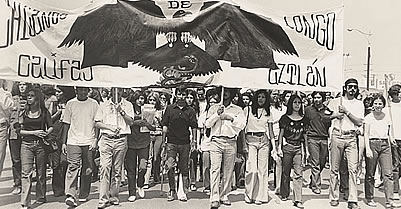
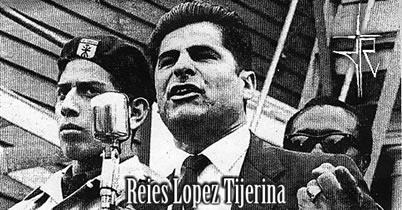
Raúl Ruiz was a pioneering photojournalist, editor, and organizer whose camera chronicled the pivotal early years of the Chicano Movement which began its development in East Los Angeles from the late 1960s through the 1970s. As a co-chief editor of La Raza newspaper and magazine, he photographed events such as: the 1968 East L.A. high school student walkouts (a.k.a. the "East L.A. Blowouts"); and the anti–Vietnam War marches of the National Chicano Moratorium - which brought to public awareness the disproportionate amount of Chicanos dying in that war at a rate twice any other group. One of his most famous images from the Chicano Moratorium shows the moment a Los Angeles County sheriff fired tear gas into the Silver Dollar Café where a journalist from the Los Angeles Times, Rubén Salazar, was killed by a projectile. This specific photo became an iconic symbol of Chicano resistance against unjustified state sponsored violence being witnessed by Mexican Americans at the time. This was particularly true in that, the Chicano Moratorium was a peaceful protest until law enforcement arrived. The Chicano Moratorium photos of Ruiz highlighted the extreme factors of injustice and social inequalities faced by Mexican Americans at the time. This was the explanation that accounted for higher enlistment and draft accepatance rate, and the disproportionate amount of casualites and Purple Hearts awarded.
Through the Stewardship of a Dedicated Loyola Marymount Professor the Library of Congress Receives a Major Acquisition
Recognizing the archive’s importance, Sánchez worked closely with Ruiz’s daughter, Marcela Ponce, and her own family to ensure that these important historic materials would be preserved. Their collaboration culminated in a donation to the Library of Congress named the Raúl Ruiz Chicano Movement Collection. It is a tremendously large contribution that includes some 17,500 photographs, thousands of manuscript pages, and the original La Raza magazine and newspaper layouts. This collection now resides in multiple reading rooms of the Library of Congress and promises to be an invaluable resource for historians, educators, students, and the American public.
Sánchez’s work highlights a broader truth. It emphasizes, that, the documentation and preservation of Mexican American history is essential not only for academic study, but for the dignity and representation of all communities whose experiences and contributions have shaped this nation. Ultimately, the preservation of Raul Ruiz’s work through Professor Sánchez’s dedication is more than an academic achievement. It is an act of cultural affirmation, ensuring that future generations can see themselves reflected in the historic record of this country and that the struggles and triumphs of the Chicano Movement continue to inform conversations about equity, identity, and justice in the United States.